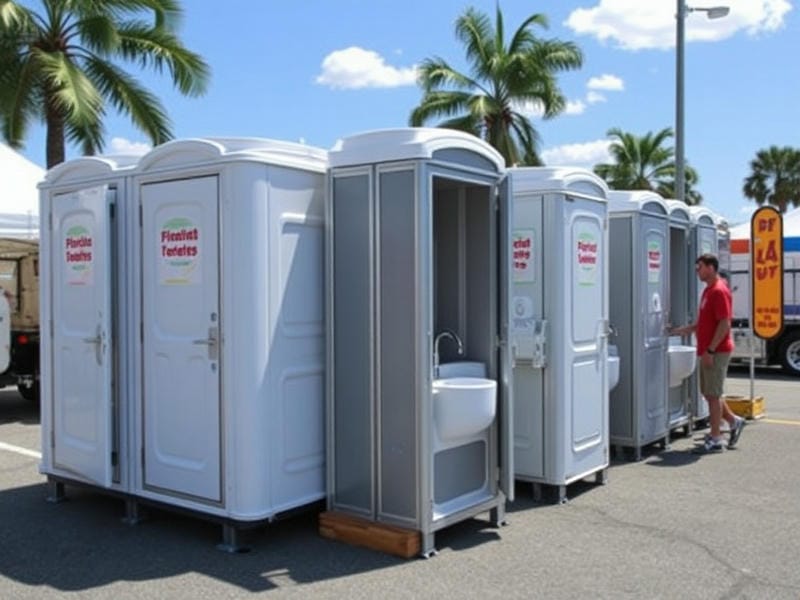
How Portable Restrooms Contribute to Eco-Friendly Waste Solutions
Posted by on 2024-10-14
The Environmental Impact of Traditional Waste Disposal Methods
The environmental impact of traditional waste disposal methods has become a growing concern in our modern society. With increasing awareness about sustainability and eco-friendly practices, there is a pressing need to reevaluate how we manage waste. One noteworthy solution emerging from this discourse is the role of portable restrooms in contributing to eco-friendly waste solutions.
Traditional waste disposal methods, such as landfilling and incineration, have long been criticized for their detrimental effects on the environment. Landfills are notorious for occupying large expanses of land and generating methane—a potent greenhouse gas that contributes significantly to climate change. Incineration, while reducing the volume of waste, releases harmful toxins into the atmosphere, further exacerbating air pollution problems. Both methods often overlook the potential for recycling or repurposing materials, leading to unnecessary depletion of natural resources.
In contrast, portable restrooms offer a more sustainable approach to waste management. These units are designed with efficiency and environmental consciousness in mind. Unlike permanent restroom facilities that require extensive infrastructure and water usage, portable restrooms minimize resource consumption by utilizing closed-loop systems that conserve water and energy. Many modern portable restrooms are equipped with low-flow fixtures and hand sanitizer dispensers instead of traditional sinks to significantly reduce water usage.
Moreover, the waste collected from portable restrooms can be treated and processed in an environmentally friendly manner. Advanced treatment technologies allow for safe decomposition and conversion of human waste into valuable byproducts such as fertilizers or bioenergy. This not only reduces reliance on chemical fertilizers but also promotes a circular economy where waste is transformed into something beneficial rather than being discarded.
Furthermore, portable restrooms play a crucial role in events or locations lacking adequate sanitation infrastructure—such as outdoor festivals or construction sites—preventing unsanitary conditions that could lead to environmental contamination. By providing hygienic solutions without necessitating extensive plumbing installations, these mobile units help maintain cleanliness while minimizing ecological footprints.
The portability aspect also lends itself well to emergency situations or disaster relief efforts when conventional sewage systems might be compromised. Portable restrooms ensure sanitation needs are met promptly without causing further strain on already stressed environments.
In conclusion, while traditional waste disposal methods continue posing significant challenges concerning environmental impact; adopting innovative solutions like portable restrooms presents promising opportunities towards achieving eco-friendly outcomes within our communities' broader sustainability goals. As society evolves towards greener practices through embracing alternative approaches such as utilizing efficiently designed mobile sanitation options—we take meaningful steps forward ensuring cleaner environments both now into future generations ahead—ultimately fostering healthier planet overall!
Benefits of Portable Restrooms in Reducing Water Usage
In recent years, the global community has become increasingly aware of the pressing need to conserve water and find sustainable waste management solutions. One often overlooked yet impactful approach is the use of portable restrooms. These mobile facilities not only provide convenient sanitation options but also contribute significantly to reducing water usage, thereby supporting eco-friendly waste solutions.
The primary way portable restrooms help in conserving water is through their design and operation. Unlike traditional flush toilets that can use up to 3.5 gallons per flush, portable restrooms are equipped with holding tanks that require minimal or no water for flushing. This drastically reduces the amount of water consumed. During events or on construction sites where these units are commonly used, the cumulative savings in water can be substantial. For instance, a large outdoor event utilizing hundreds of portable restrooms can save thousands of gallons of water compared to if traditional plumbing were used.
Moreover, the efficiency of portable restrooms extends beyond just immediate water savings. The waste collected in these facilities is typically processed by specialized companies that adhere to strict environmental regulations. These companies ensure that waste is treated and disposed of responsibly, often using advanced techniques such as anaerobic digestion or composting, which further minimizes environmental impact.
In addition to conserving water and promoting responsible waste disposal, portable restrooms aid in preventing pollution associated with wastewater treatment processes required by conventional sewage systems. By reducing reliance on these systems, less energy is consumed in treating wastewater, indirectly lowering carbon emissions associated with treatment facilities.
Furthermore, the deployment flexibility offered by portable restrooms means they can be strategically placed in locations where access to traditional sanitation infrastructure is limited or non-existent. This enhances public hygiene without exacerbating local resources' strain, especially in areas prone to drought or where water conservation measures are critical.
In conclusion, while often seen merely as temporary conveniences at events or work sites, portable restrooms play a crucial role in advancing eco-friendly waste solutions through significant reductions in water usage and efficient waste management practices. As we strive towards a more sustainable future, integrating such innovative approaches into our daily lives becomes imperative for both conserving precious natural resources and promoting broader environmental health initiatives.
Use of Eco-Friendly Materials and Technologies in Portable Restrooms
In recent years, the global push towards sustainable living has permeated various sectors, including the sanitation industry. Portable restrooms, often dismissed as mere conveniences at outdoor events or construction sites, have quietly emerged as significant contributors to eco-friendly waste solutions. This transformation is largely due to the innovative use of eco-friendly materials and technologies in their design and operation.
Traditionally, portable restrooms were notorious for their environmental impact, primarily due to non-biodegradable materials and chemical-laden waste treatments. However, advancements in materials science and a growing environmental consciousness have led manufacturers to adopt more sustainable practices. Modern portable restrooms are increasingly constructed from recycled or sustainably sourced materials such as biodegradable plastics or reclaimed metals. This shift not only reduces the carbon footprint associated with production but also ensures that these structures are less taxing on the environment at the end of their lifecycle.
Moreover, technological innovations have revolutionized waste processing within these units. One notable advancement is the integration of composting technology. This method utilizes natural microbial processes to break down human waste into safe, nutrient-rich compost that can be used in agricultural applications. By diverting waste from traditional sewage systems or landfills, composting toilets significantly reduce water usage and methane emissions—a potent greenhouse gas—contributing positively to climate change mitigation efforts.
Another remarkable development is the use of advanced vacuum flush systems which drastically minimize water consumption compared to conventional flushing mechanisms. These systems require only a fraction of the water typically used in standard toilets while maintaining hygiene standards. Additionally, solar panels are now commonly installed on high-end models to power essential functions like ventilation and lighting without relying on fossil fuels.
Furthermore, many portable restroom providers are adopting closed-loop systems where graywater—wastewater generated from handwashing stations—is treated onsite and reused for toilet flushing or irrigation purposes. This not only conserves precious water resources but also mitigates pollution risks associated with wastewater discharge.
Beyond technological upgrades, there is a growing trend toward incorporating green cleaning products for maintenance purposes. These environmentally friendly solutions replace harsh chemical cleaners with plant-based alternatives that effectively sanitize without harming ecosystems upon disposal.
The cumulative effect of these innovations is profound: portable restrooms now stand as exemplars of how small changes in industrial design can yield substantial ecological benefits. They demonstrate that even industries traditionally seen as peripheral can play crucial roles in broader sustainability narratives when equipped with the right tools and mindset.
In conclusion, through the strategic use of eco-friendly materials and cutting-edge technologies, portable restrooms have become vital components in advancing eco-friendly waste solutions. As we continue our quest for more sustainable living practices globally, embracing such innovations will be essential not just for reducing negative environmental impacts but also for setting new benchmarks across all facets of modern life—including those often overlooked yet undeniably important facilities like portable restrooms.
Innovations in Waste Treatment and Recycling within Portable Sanitation Units
In recent years, the spotlight on environmental sustainability has intensified, urging industries across the globe to rethink traditional practices. One such sector experiencing a transformative wave is waste management, particularly within the realm of portable sanitation units. These often-overlooked facilities are now becoming pivotal contributors to eco-friendly waste solutions through innovative treatment and recycling strategies.
Portable restrooms, typically associated with construction sites and outdoor events, have historically been viewed as necessary nuisances rather than champions of sustainability. However, advancements in technology and increased environmental awareness have spurred significant changes in how these units handle waste. Modern portable restrooms are evolving from basic containment vessels into sophisticated systems capable of minimizing ecological footprints.
A key innovation driving this transformation is the incorporation of advanced waste treatment processes within the units themselves. Traditionally, waste collected from portable toilets would be transported to centralized treatment facilities, consuming fuel and generating emissions along the way. Today, many units are equipped with bio-digesters that process human waste on-site. These systems utilize natural bacterial processes to break down organic matter efficiently, reducing volume and producing fewer by-products that require disposal elsewhere.
Moreover, some cutting-edge designs utilize solar-powered mechanisms to facilitate these biological processes or support waterless operations altogether. This not only conserves energy but also minimizes water usage—a critical factor given global water scarcity issues. By implementing sustainable technologies at this micro-level, portable sanitation providers can significantly reduce their overall environmental impact.
Recycling efforts in portable sanitation have also seen remarkable progress. New materials used in manufacturing restroom components—such as biodegradable plastics and recycled metals—underscore a commitment to reducing resource consumption. Additionally, gray water recovery systems integrated within certain models allow for wastewater reuse in non-potable applications like irrigation or dust control at job sites.
Beyond technological innovations, there is an increasing emphasis on systemic approaches to enhance ecological efficacy further. Companies are investing in logistics optimization for service routes; smarter planning reduces travel distances and frequency of visits needed for maintenance, thus cutting carbon emissions associated with transportation.
The ripple effect of these innovations extends beyond immediate operational benefits; they contribute positively towards broader environmental goals too. Reduced reliance on chemicals for cleaning and deodorizing aligns well with efforts against groundwater contamination while promoting safer ecosystems around service areas.
Furthermore, public perception shifts when users recognize tangible commitments towards sustainability—even in something as seemingly mundane as a temporary toilet facility—which can inspire wider behavioral change concerning environmental responsibility among individuals interacting with these services regularly.
In conclusion, the integration of innovative waste treatment methods alongside concerted recycling initiatives positions portable restrooms not just as practical necessities but as active participants in advancing eco-friendly waste solutions globally. As we continue grappling with climate change challenges head-on across various sectors—including sanitation—it becomes increasingly clear that every contribution counts towards shaping a more sustainable future for our planet.
Case Studies: Successful Implementation of Sustainable Practices with Portable Restrooms
Title: Case Studies: Successful Implementation of Sustainable Practices with Portable Restrooms
In recent years, the push towards eco-friendly solutions has extended into every aspect of our lives, including waste management. One unsung hero in this green revolution is the humble portable restroom. Often associated with outdoor events and construction sites, these facilities are now being recognized for their potential to contribute significantly to sustainable waste solutions. Through innovative designs and practices, portable restrooms are proving to be an essential component in reducing environmental footprints.
One exemplary case study comes from a large-scale music festival held annually in California. Traditionally known for generating substantial waste, organizers faced mounting pressure to adopt more sustainable practices. They partnered with a leading portable restroom company that offered units equipped with advanced composting technology. These restrooms utilized biodegradable products and efficient waste separation processes that converted human waste into valuable compost material. The result was a dramatic reduction in landfill contributions as well as the production of nutrient-rich soil amendments used within local agricultural communities.
Another compelling instance is found in the construction industry where sustainability is becoming increasingly prioritized. A major urban development project in New York City implemented eco-friendly portable restrooms throughout its site. These units were designed to minimize water usage through vacuum flush systems and incorporated solar panels for energy efficiency. The project's commitment to reducing its carbon footprint was further reinforced by regular maintenance practices that ensured all cleaning agents were environmentally safe and non-toxic.
Internationally, developing regions have also embraced sustainable portable restroom solutions as part of broader sanitation initiatives. In areas lacking adequate sewage infrastructure, organizations have introduced mobile toilets that use anaerobic digestion technology. This process not only treats human waste but also generates biogas – a renewable energy source – which can be harnessed for cooking or lighting purposes in local communities.
The success stories from these case studies illustrate how portable restrooms can transcend their traditional roles and become instrumental in achieving environmental goals. By integrating cutting-edge technologies and adopting responsible operational strategies, they offer practical solutions to some of today's most pressing ecological challenges.
This transition toward greener practices not only benefits the environment but also enhances public health standards by promoting better hygiene and sanitation facilities across diverse settings worldwide. As awareness continues to grow about the impact of human activities on our planet's ecosystems, it is imperative that industries seek out innovative ways like those demonstrated through these case studies—to align themselves with sustainability principles while meeting functional needs effectively.
In conclusion, portable restrooms stand as powerful examples of how simple changes can lead to meaningful progress in creating eco-friendly waste management systems globally—serving both immediate community requirements while contributing positively towards long-term conservation efforts necessary for preserving our environment's future integrity.
Challenges and Opportunities for Improvement in Eco-Friendly Sanitation Solutions
Portable restrooms have long been a staple at outdoor events, construction sites, and in emergency situations. However, their role in eco-friendly waste management is often overlooked. As the world increasingly shifts towards sustainable practices, the portable restroom industry presents both challenges and opportunities for improvement in eco-friendly sanitation solutions.
One of the primary challenges facing portable restrooms is their reliance on chemical treatments to manage waste and odors. These chemicals can be harmful to the environment if not disposed of properly. Traditional portable toilets often use formaldehyde-based chemicals that are effective but environmentally unfriendly. The challenge lies in finding alternatives that can perform as effectively without harming ecosystems.
Additionally, the single-use nature of many components used in portable restrooms contributes to significant plastic waste. From disposable seat covers to non-recyclable parts of the units themselves, there's a pressing need to rethink how these facilities are manufactured and maintained.
Despite these challenges, there are numerous opportunities for innovation within this sector. One promising avenue is the development and implementation of biodegradable or compostable materials for toilet components and waste bags. By using materials that break down naturally, we can significantly reduce the environmental footprint of these units.
Moreover, adopting new technologies for waste treatment offers another opportunity for improvement. Advanced systems that separate solid from liquid waste allow for more efficient processing and potential conversion into useful byproducts such as fertilizers or biogas. Such innovations not only minimize environmental impact but also create value from what was once considered mere waste.
The incorporation of solar panels into portable restroom designs represents another opportunity worth exploring. Solar energy could power ventilation systems, lighting, and even small-scale water purification processes within these units, reducing their reliance on non-renewable energy sources.
Furthermore, education plays a vital role in maximizing the eco-friendliness of portable restrooms. Ensuring users understand how to properly utilize these facilities can significantly enhance their efficiency and sustainability. Providing clear instructions on usage and maintenance can prevent misuse that leads to increased waste or damage.
In conclusion, while there are undeniable challenges associated with making portable restrooms more eco-friendly—from chemical dependency to design limitations—these obstacles also offer exciting opportunities for innovation and improvement. By focusing on sustainable materials, advanced waste treatment technologies, renewable energy integration, and user education, the industry can transform its approach to sanitation solutions, contributing positively to global efforts toward environmental sustainability. As we continue striving toward greener practices across all sectors, even something as seemingly mundane as a portable restroom holds great potential for impactful change in eco-friendly waste management solutions.